Release time: February 25, 2025 | Information source: Intelligent Pharmacy Bureau
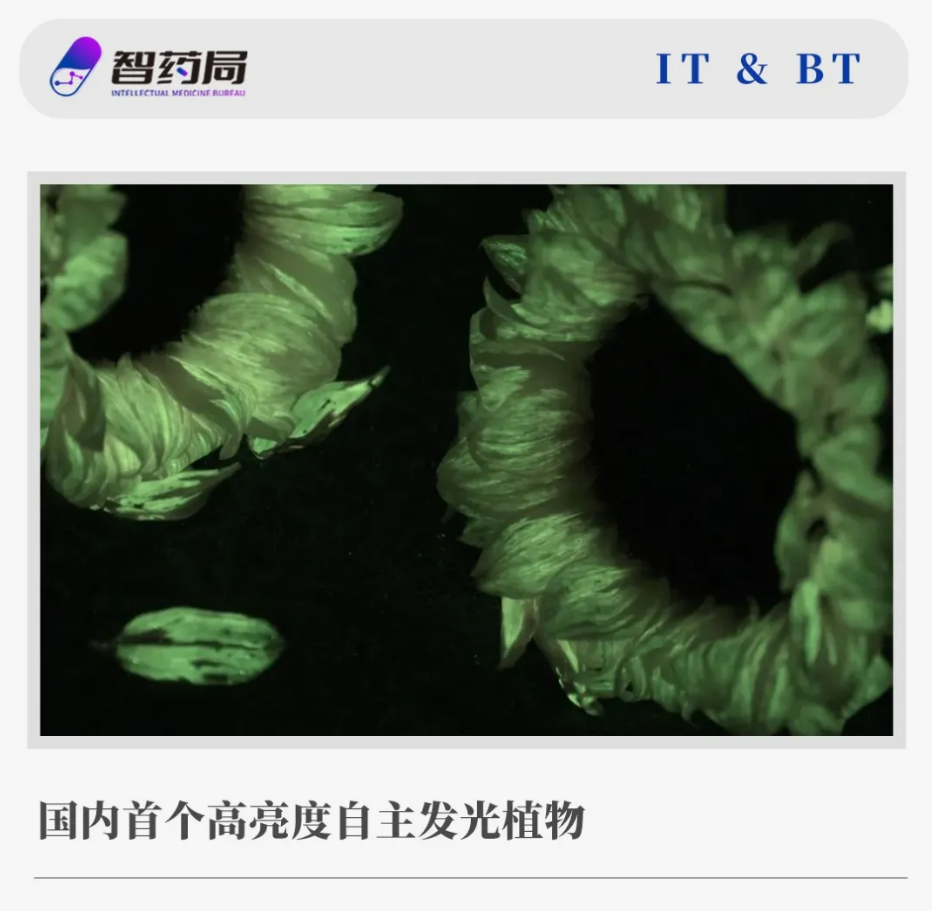
The first batch of photogenic plants developed using synthetic biology technology has begun to enter the market. No kidding, the potted plants you buy may be used as desk lamps in the future.
On February 24, Dawan News released an article titled "Amazing!" "Glowing plants" grow in Hefei, do you want to get one? 》report and conducted an on-site interview with the synthetic biology company Shenbi Biology.
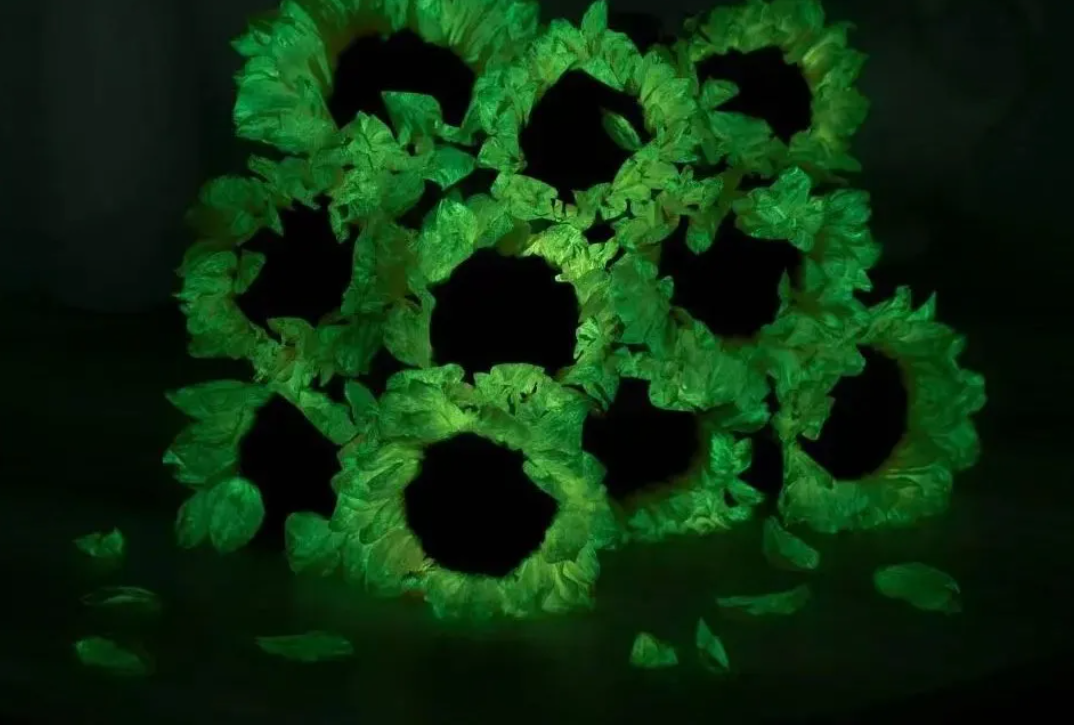
According to reports, the gene-edited high-brightness self-luminous plants developed by the company have entered the industrialization stage, with more than 10,000 "fluorescent sunflowers" sold in the past week alone.
The author searched the official stores and reviews on relevant platforms. Currently, the luminous plant gift box product has been sold online at a price of 69.9 yuan/box, and has received praise from many users.

This product transfers the genes of luminescent organisms in nature to other plants through genetic engineering technology. These genes are expressed in the plants and produce luciferase, allowing the plants to self-luminous at night.
01 Originated from China Agricultural University and landed in Hefei, Anhui
Shenbi Bio was established in 2023 and focuses on the research, development and application of plant cell transgenic technology, involving plant tissue culture, plant gene editing, luminescent plants, bioengineering, etc.
The founder, Li Renhan, holds a PhD in biology from China Agricultural University. In August last year, the company used cutting-edge machine learning optimization technology to successfully integrate and transform more than 20 endogenous and heterologous genes, and developed the country's first high-brightness autonomous luminous plant. Compared with similar foreign products that require long-term exposure (at least 30 seconds) with high-sensitivity cameras, its self-luminous plants do not require any exposure assistance in dark environments, achieving a breakthrough in foreign technology monopoly.
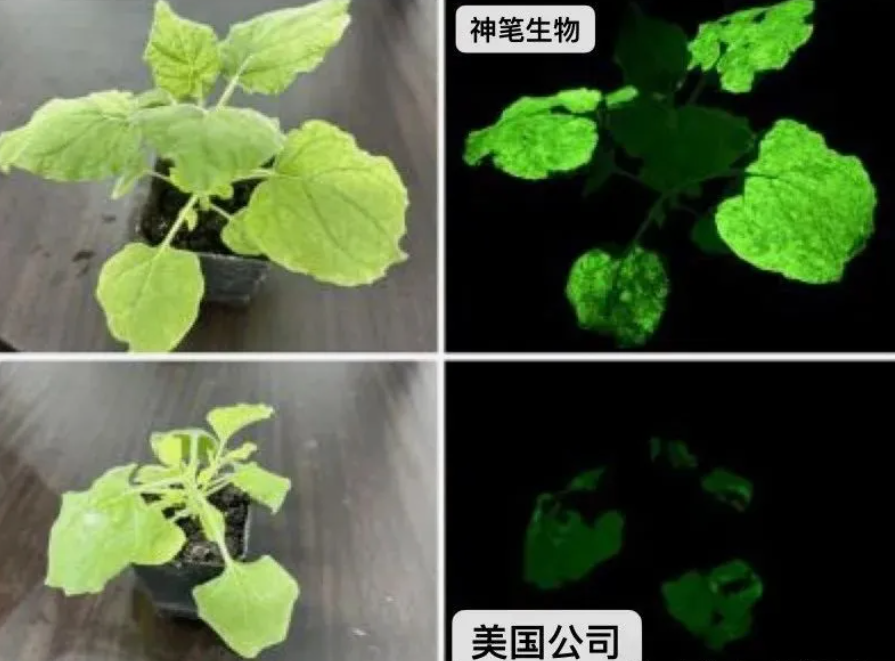
Since its establishment, Shenbi Biotech has completed two rounds of tens of millions of yuan in financing. Investors include Meihua Venture Capital, HKUST Silicon Valley Fund, Hefei High-tech Investment, etc., and its product production line has been established in Luyang District, Hefei.
It is reported that this technology has been successfully applied to more than 20 kinds of plants such as sunflowers and petunias. The laboratory is accelerating the research and development of the luminescent properties of roses, lotus and other ornamental flowers.
Currently, the company is negotiating cooperation with a number of scenic spots, and plans to create immersive night tour projects such as "Lighting Flower Sea" and "Fluorescent Lotus Pond" in the future.
On the research and development side, higher-brightness luminescent genes are extracted from deep-sea microorganisms in the South China Sea, and it is planned to develop derivatives such as active night lights and ecological fountains.
02Science fiction becomes reality, mass production has begun in China and the United States
The wave of commercialization of luminous plants will begin in February 2024.
The American company Light Bio sells the luminous petunia it developed on its official website. The brightness of the petunia has reached a level visible to the naked eye, and it was selected as the best invention of Time Magazine in 2024.
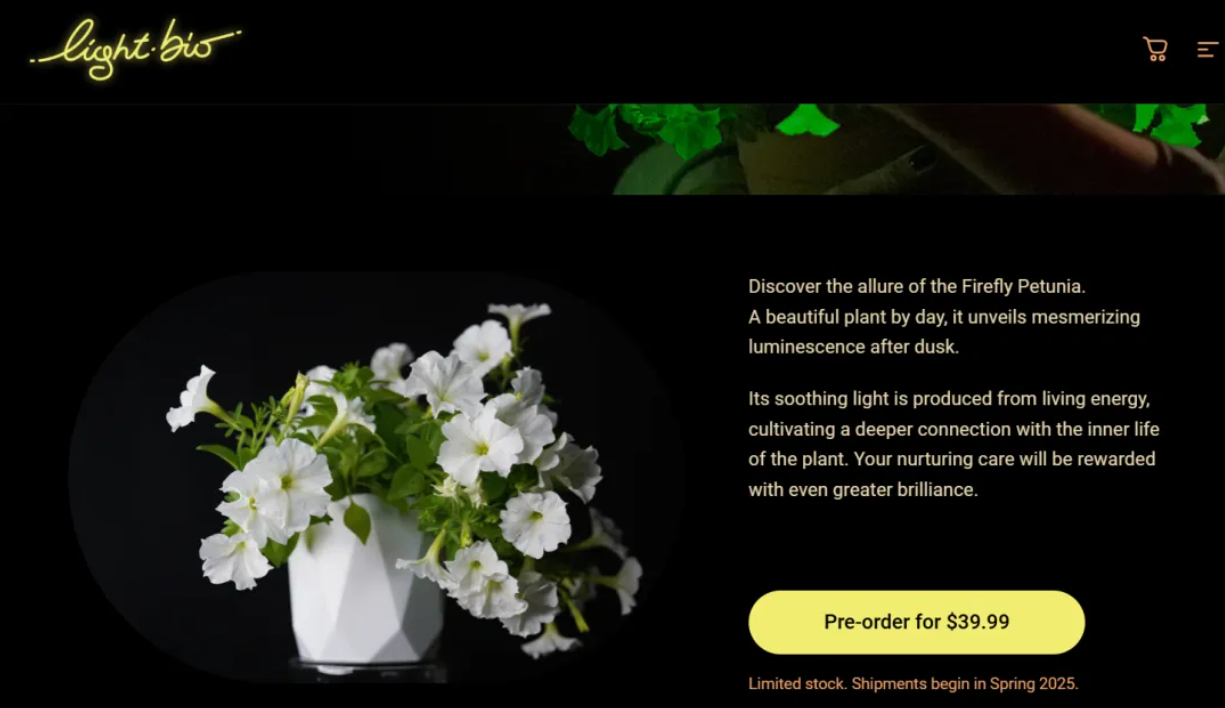
The company's first round of 50,000 pots of white luminous morning glories are currently sold out. Pre-orders for spring 2025 products are available on the official website, priced at $39.99.
The product is primarily derived from the Neonothopanus nambi gene discovered by synthetic biologist (Light Bio co-founder) Karen Sarkisyan from bioluminescent mushrooms.
In terms of research: The Agricultural Synthetic Biology Research Center of the Institute of Biotechnology of the Shanghai Academy of Agricultural Sciences used the bioluminescence pathway of fungi to create high-intensity self-luminous plants.
No external source is required to provide substrates and energy, and the plants are clearly visible in a dark environment and continue to glow.
The team of researcher Du Hao of Zhejiang University has also conducted research on luminescent plants, which has enhanced the luminescence by about 4 times compared with the first generation of luminescent plants, eFBP.
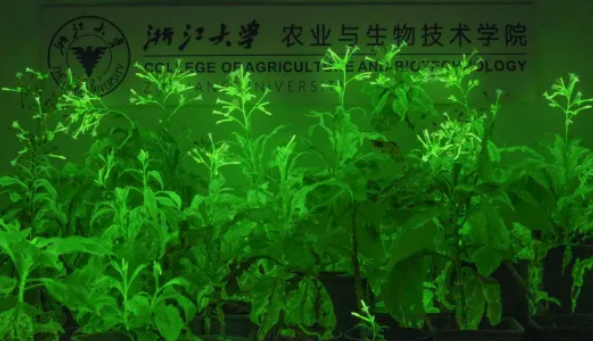
In fact, the application of luminous plants goes far beyond ornamental purposes. They have great potential in home decoration, greening of parks and municipal roads, etc.
It is believed that this new type of lighting, which completely relies on the photosynthesis and alienation of plants, is expected to alleviate the dependence of traditional lighting on fossil energy in the future.
share
WeChat scan code to share
![WeChat QRCode]()

 January 13, 2026
 January 13, 2026
 January 13, 2026